Astrology has long captivated humanity, offering insights into our personalities, relationships, and life paths. Two prominent systems—Western astrology and Vedic astrology—provide unique perspectives on the cosmos, each rooted in distinct cultural and philosophical traditions. Posted on July 17, 2025, this blog delves into the key differences between these two systems, shedding light on their origins, methodologies, and approaches to interpreting the stars.
Origins and Cultural Roots
Western astrology traces its origins to ancient Mesopotamia around 2,000 BCE, evolving through Greek and Roman influences, particularly with Ptolemy’s Tetrabiblos in the 2nd century CE. It became widely popular in Europe during the Renaissance and remains a cornerstone of modern Western culture, focusing on psychological traits and self-awareness.
In contrast, Vedic astrology, known as Jyotish, emerged over 5,000 years ago in India, deeply embedded in the Vedas, the ancient Hindu scriptures. As a sister science to Ayurveda, it is intertwined with Hindu philosophy, emphasizing karma, dharma, and spiritual growth. This ancient tradition continues to thrive in Indian culture, offering a holistic view of life’s journey.


Zodiac Systems: Tropical vs. Sidereal
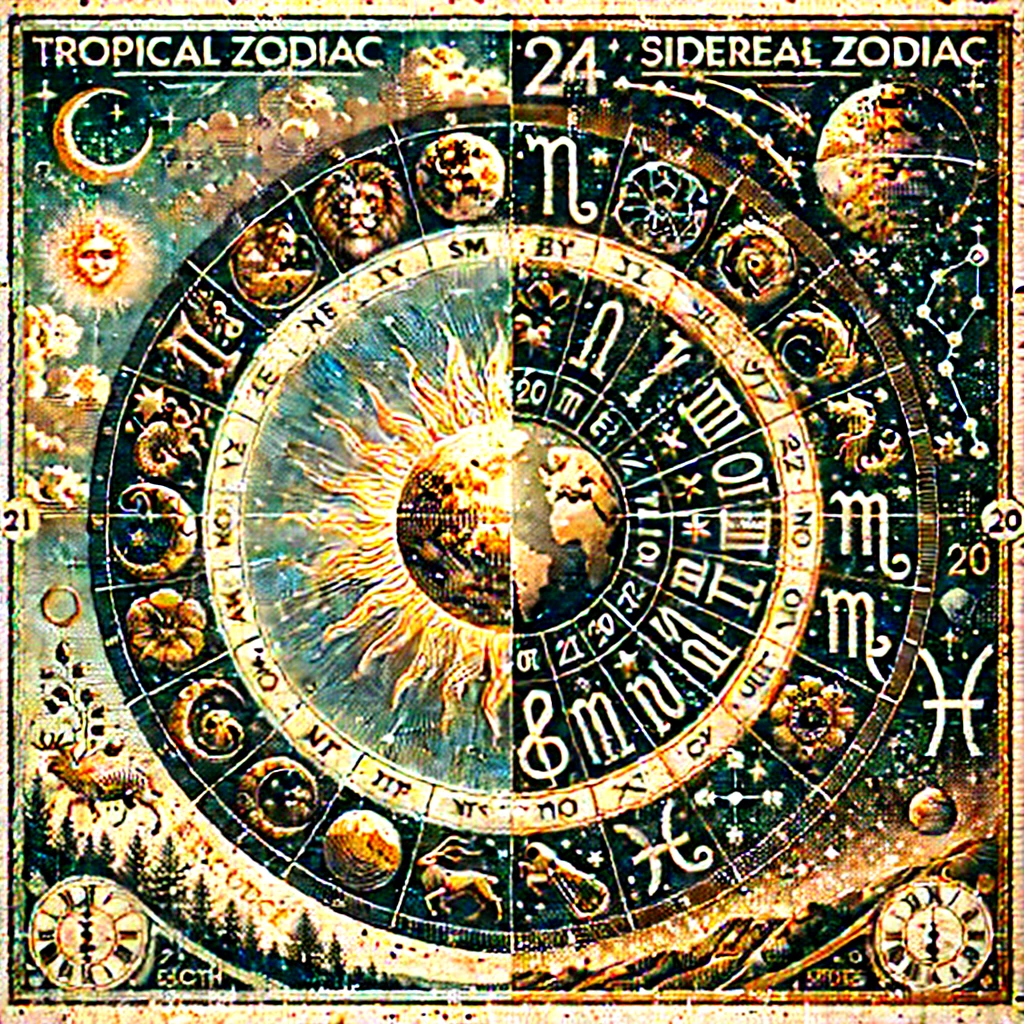
One of the most significant differences lies in the zodiac systems. Western astrology uses the tropical zodiac, based on the Earth’s relationship to the Sun and the four seasons. The Vernal Equinox marks the start of Aries, with signs fixed to specific dates regardless of the shifting constellations. Due to the precession of the equinoxes—a gradual wobble of Earth’s axis—the tropical zodiac drifts westward by about one degree every 72 years, creating a 23–24 degree difference today.
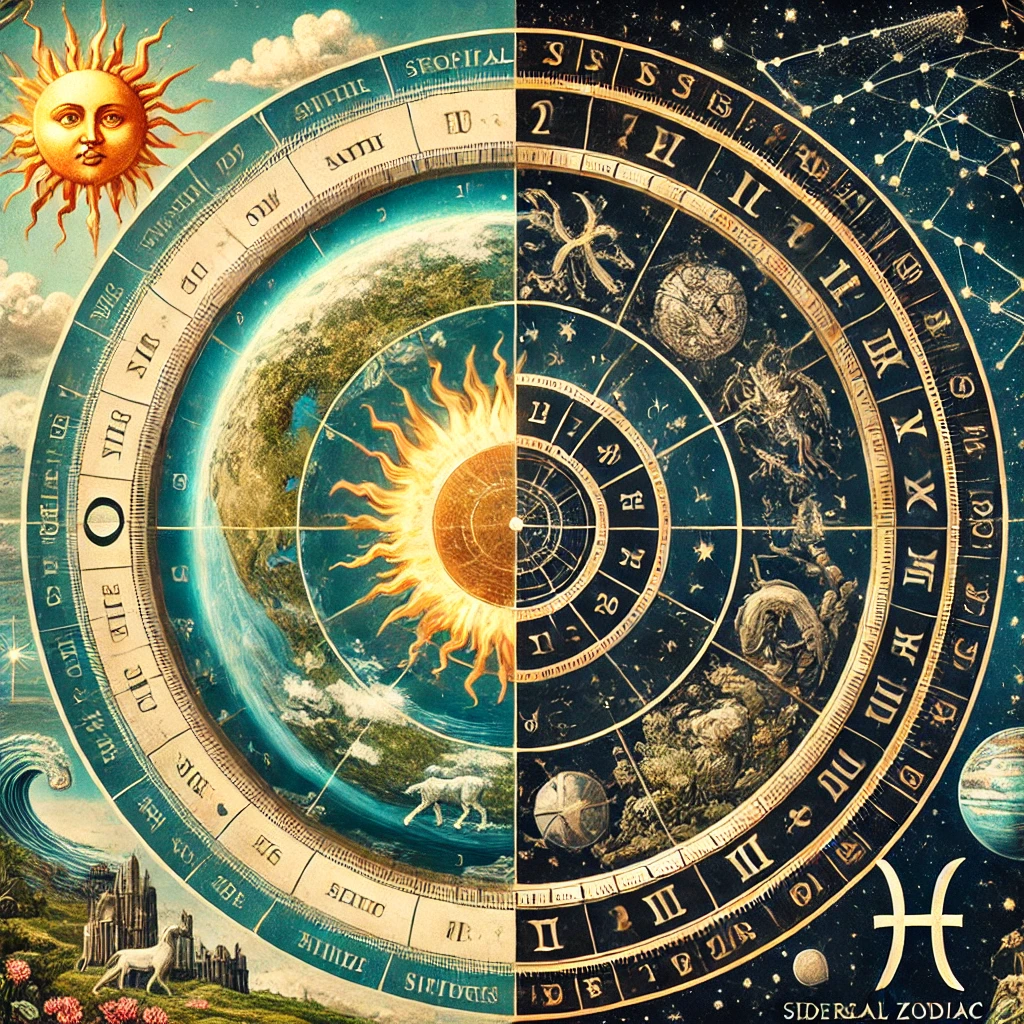
Vedic astrology, however, employs the sidereal zodiac, which aligns with the actual positions of fixed stars and constellations. This system accounts for the precession, making it more reflective of the observable sky. As a result, your sun sign in Western astrology might differ from your Vedic sign—e.g., a Western Aries could be a Vedic Pisces—due to this shift.
Focus: Sun vs. Moon
Western astrology places primary emphasis on the Sun sign, determined by the Sun’s position at birth, which is seen as the core of one’s identity and ego. This focus lends itself to personality analysis and compatibility assessments, often seen in popular horoscopes.
Vedic astrology, conversely, prioritizes the Moon sign (Rashi), reflecting the mind, emotions, and subconscious. The Moon changes signs every 2.25 days, offering a more nuanced view of an individual’s inner world compared to the Sun’s monthly cycle. The ascendant (rising sign) also plays a crucial role in Vedic charts, adding depth to personality and life path interpretations.

Philosophical Approach
The philosophical underpinnings of these systems diverge significantly. Western astrology leans toward a psychological framework, exploring self-growth, relationships, and personal potential through planetary aspects and house placements. It’s often used for introspection and understanding one’s place in the material world.
Vedic astrology, rooted in Hindu spirituality, focuses on karma and reincarnation. It seeks to uncover an individual’s dharma (life purpose) and the karmic lessons carried from past lives. This system provides detailed predictions and remedies, such as gemstones or rituals, to mitigate challenging planetary influences.
Chart Construction and Techniques
Western astrology constructs birth charts with a circular layout, using various house systems (e.g., Placidus) where house sizes may vary based on the ascendant’s degree. It emphasizes aspects like squares, trines, and oppositions between planets for predictive insights.
Vedic astrology uses a square chart with equal 30-degree houses, where the ascendant can fall anywhere within the first house. It incorporates additional tools like Nakshatras (27 lunar constellations), Dashas (planetary periods), and divisional charts for precise timing of events. Vedic charts also include Rahu and Ketu (lunar nodes), which are absent in Western astrology, adding layers of karmic analysis.
Predictive and Remedial Practices
Western astrology relies on transits and progressions for predictions, focusing on psychological trends rather than exact timing. Its remedies are less formalized, often suggesting lifestyle adjustments or self-reflection.
Vedic astrology excels in event timing through Dashas and transits, offering specific predictions about life events. It provides practical remedies like wearing gemstones (e.g., yellow sapphire for Jupiter), performing rituals, or chanting mantras to balance planetary energies, reflecting its proactive approach to destiny.
Which System Resonates?
Both Western and Vedic astrology offer valuable insights, catering to different needs. Western astrology appeals to those seeking psychological clarity and personality exploration, while Vedic astrology suits those interested in karmic patterns and spiritual guidance. Some astrologers even blend both systems for a comprehensive reading, leveraging their strengths.
As you navigate the stars, consider what resonates with your journey—self-discovery through the Sun’s light or karmic wisdom under the Moon’s glow. Share your thoughts on these systems in the comments below, and explore how they might illuminate your path!